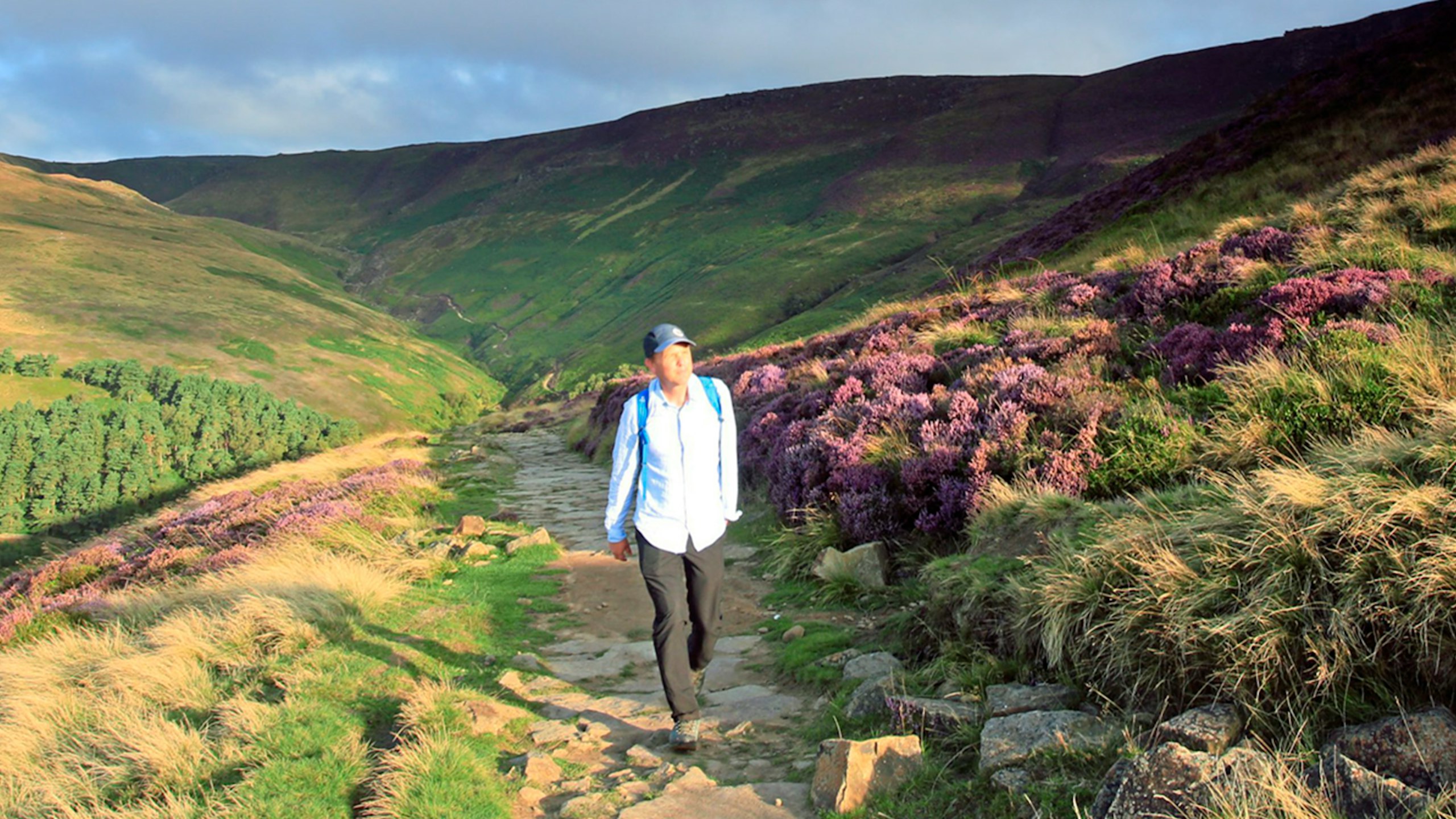
When a near-fatal accident left former Country Walking editor Guy Procter broken, lost and grieving a life he could no longer live, it was walking that led him back to health, purpose, and joy.
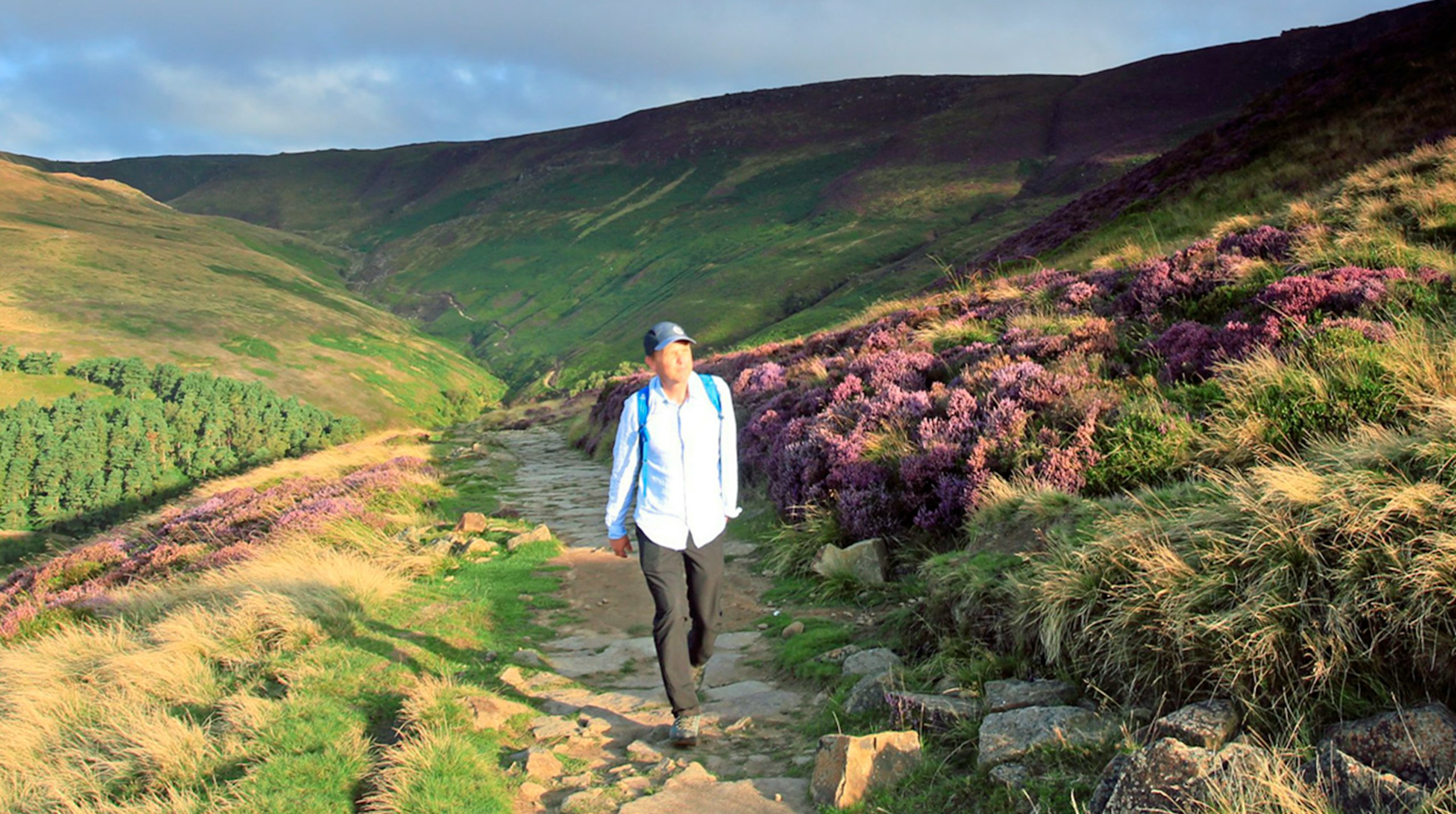
THE ONLY WAY out is through. Life is what happens while you’re busy making other plans. Reaching the destination is less important than the direction of travel. I know all the stirring aphorisms and I believe them to be true. But what they don’t acknowledge is the stillness that a really big setback imposes on you – the windless doldrums that make any kind of galvanising advice seem remote and unrealistic.
I’d been working in magazines for 15 years, all focused on things that hinged around physical activity – mountains and motorcycling, mostly – and had a professional momentum I felt would carry me as far as I wanted to go. I knew where I was heading, and there was A Plan.
It all came to an abrupt halt one evening in 2010 on the ride home from work. On a long, straight road I hit a car that had suddenly turned across my path at about 70mph. I came to some time later, still in the road, with night falling and kind-voiced ambulance crew tending to me, doing I didn’t know what. They looked busy and earnest, and though I didn’t know what had happened, I knew it couldn’t be good.
“Am I going to D.I.E?” I asked, unwilling to say what seemed an unlucky word out loud.
“We’re doing everything we can to make sure that doesn’t happen,” was the answer. Which I’ve always found interestingly wordier than the alternative: “No.”
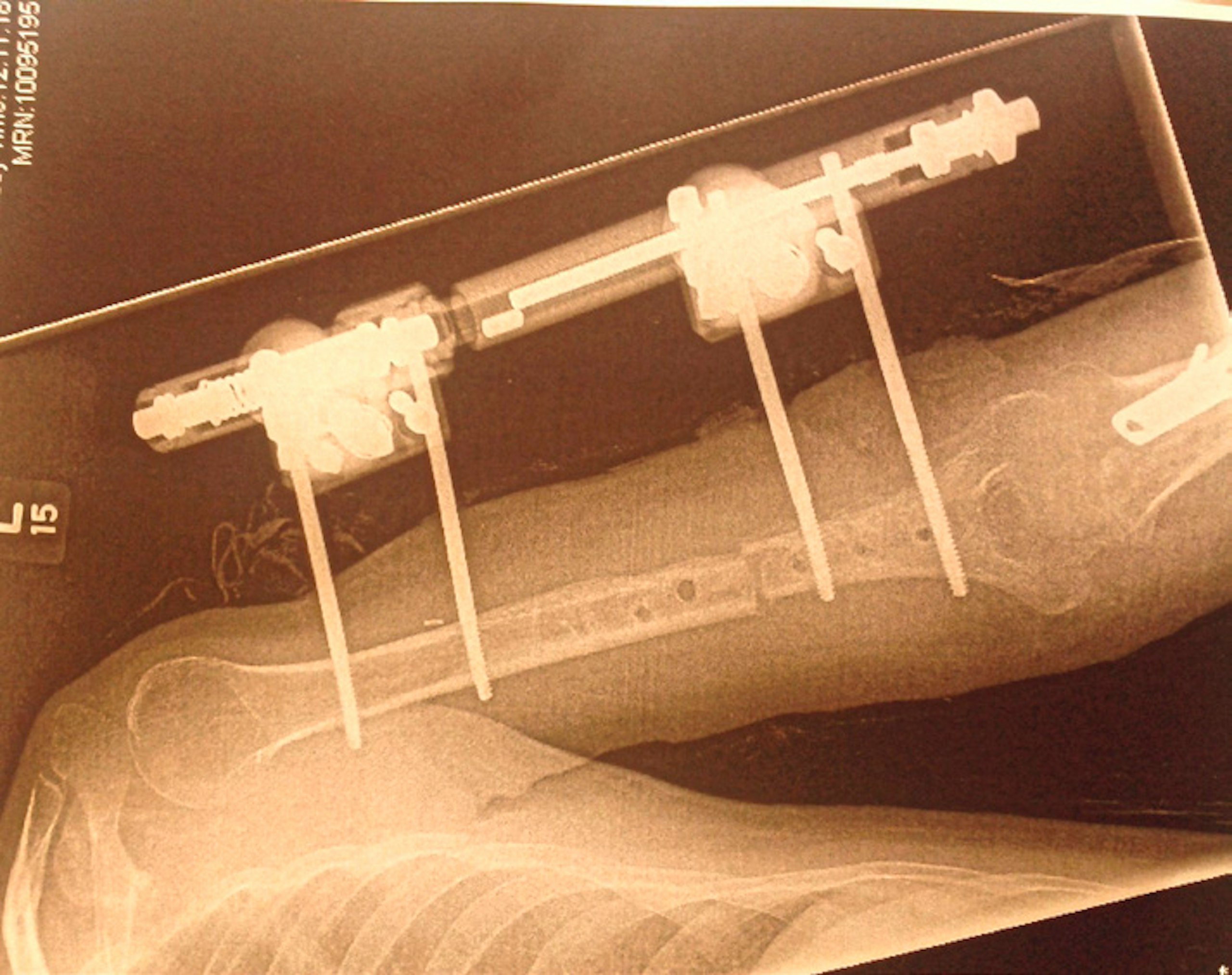
The damage report: my left arm had been three-quarters torn off, my brachial plexus (a junction box of nerves in your shoulder which control the arm) burst apart, humerus and wrists broken and both legs granted the exciting new power to bend both ways.
I’d end up having 13 operations (if you’re curious, look up ‘fasciotomy’ on Wikipedia to see a photo of my arm at its butcher’s shop best), over a year’s wait for the broken ends of the humerus in my reattached arm to fuse, and an ultimately disappointing wait to see if any function could be restored to it.
Once the morphine began to be tapered off, the colour drained from my surroundings and I could survey the arid stillness I found I’d arrived at. No motorbikes. No scrambling. No plucking the kids onto my shoulders. No typing at a half-decent words-per-minute. No driving without an adapted steering wheel. No doing up laces. A saturation bombing of my sense of self. What could I do?
Well, I could walk.
It doesn’t sound like much. And of course, as far as the world is concerned, it isn’t. Walking is something you praise toddlers for. It’s what people do when they can’t find their car keys; a sport with the ball and all of the excitement removed. Saying you’re into walking is like calling yourself a connoisseur of tap water – a nonsense.
So I started, pale and pudgy, and without high hopes, on an activity I was after all doing because I couldn’t do anything better. And to my great surprise it had something to it. In fact a few things.
A way of hushing the hectoring anxieties that breed around the indoor unwell. A way of feeding the senses that led me out of myself and my stale preoccupations. I began to stop thinking so much of the things I could no longer do, and found happier, healthier thoughts springing up like rings of unpredictable mushrooms.
No I couldn’t go scrambling or ride motorbikes – but nor could I fly or speak conversational Latin. It suddenly seemed it would take a special kind of negative fixation to keep such regrets fresh – a backward-looking, unhelpful brooding that was the opposite of the ways walking urged me to look forward, look outward, be grateful.
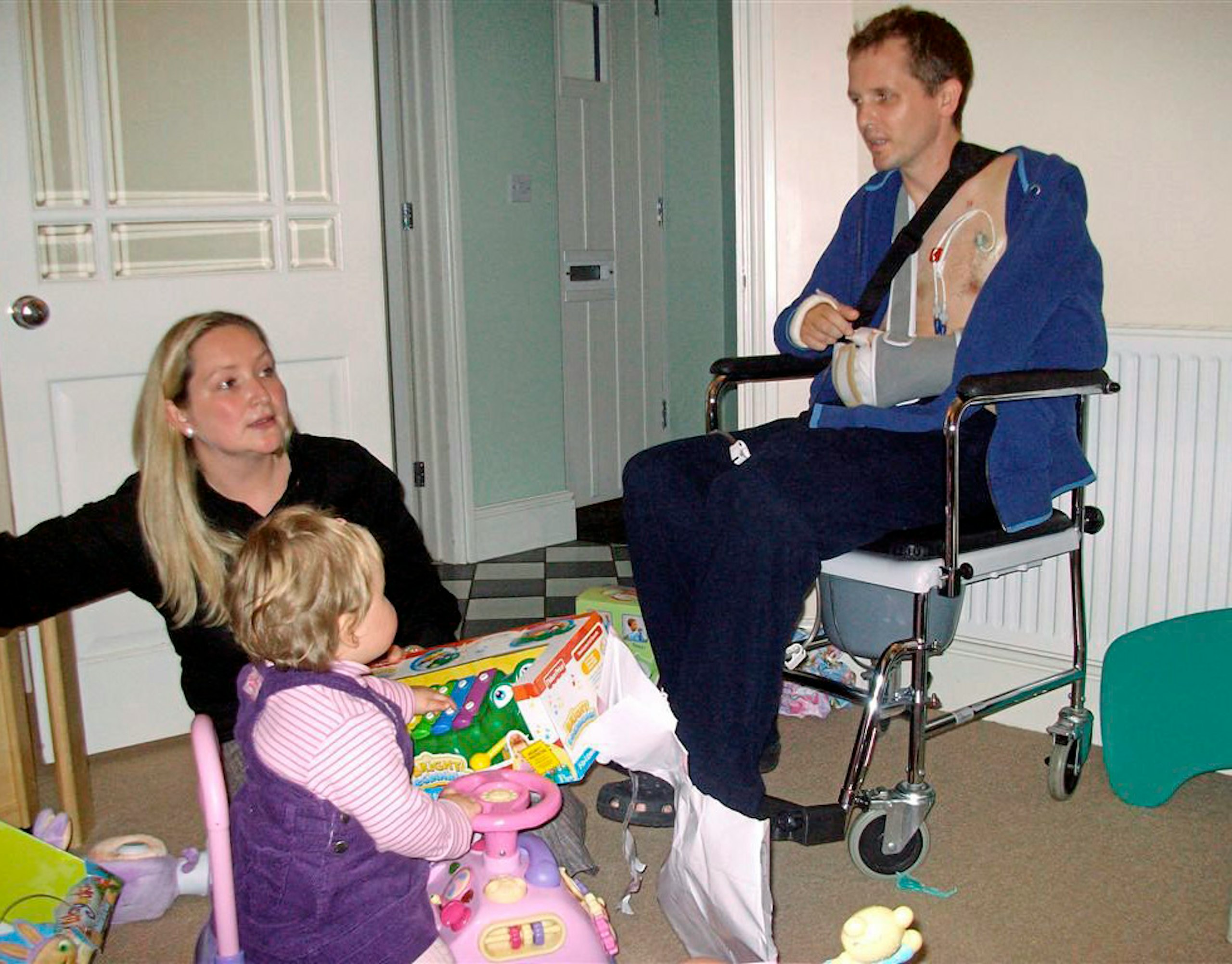
I began to be contented by what was, more than tormented by ghosts of what might have been; to look forward to dinner rather than dread the distant future. Walking had given me traction out of deathly stillness.
And if it all sounds like it happened rather quickly, and rather easily, I can only agree. Because that’s one of the best things about walking: it starts working from the smallest dose. It goes on working, and the benefits compound. You already have all the kit you need to get going and the track starts right at your door. You literally never regret going out for a walk, and the goodness grows out of it like a benevolent bindweed into all aspects of your life.
It makes sleeping better and eating more enjoyable; makes doing more things seem possible and doing nothing feel better; makes work more productive and you nicer to be around. It makes days feel bespoke rather than bulk-manufactured and makes your problems seem small, not you.
For me personally, it connected me to memories from the past, when I was first introduced to walking – largely against my will – on holidays in the Lake District and Snowdonia. But it also connected me with friendly people in the present, and each footpath became a reminder that life is a shared enterprise, and that history is a story written at walking pace.
In 2015 I found my way back to professional life on Country Walking. There, as longer-standing readers may know, I championed the great cause of Walk1000Miles.
A thousand. I hoped that the headline figure would attract attention – but I also knew that the manifold benefits of walking would, for those taking part, make it perhaps the least amazing thing. It was all about what happened on the way to the thousand.
The results were more than I dared hope. Ten years; more than 100,000 people doing something many of them thought impossible, and an unstoppable tide of testimonials of lives changed, bodies transformed, doldrums dispelled, horizons enlarged and despairs overcome – confirming that no matter what ails you, walking is the ultimate balm.
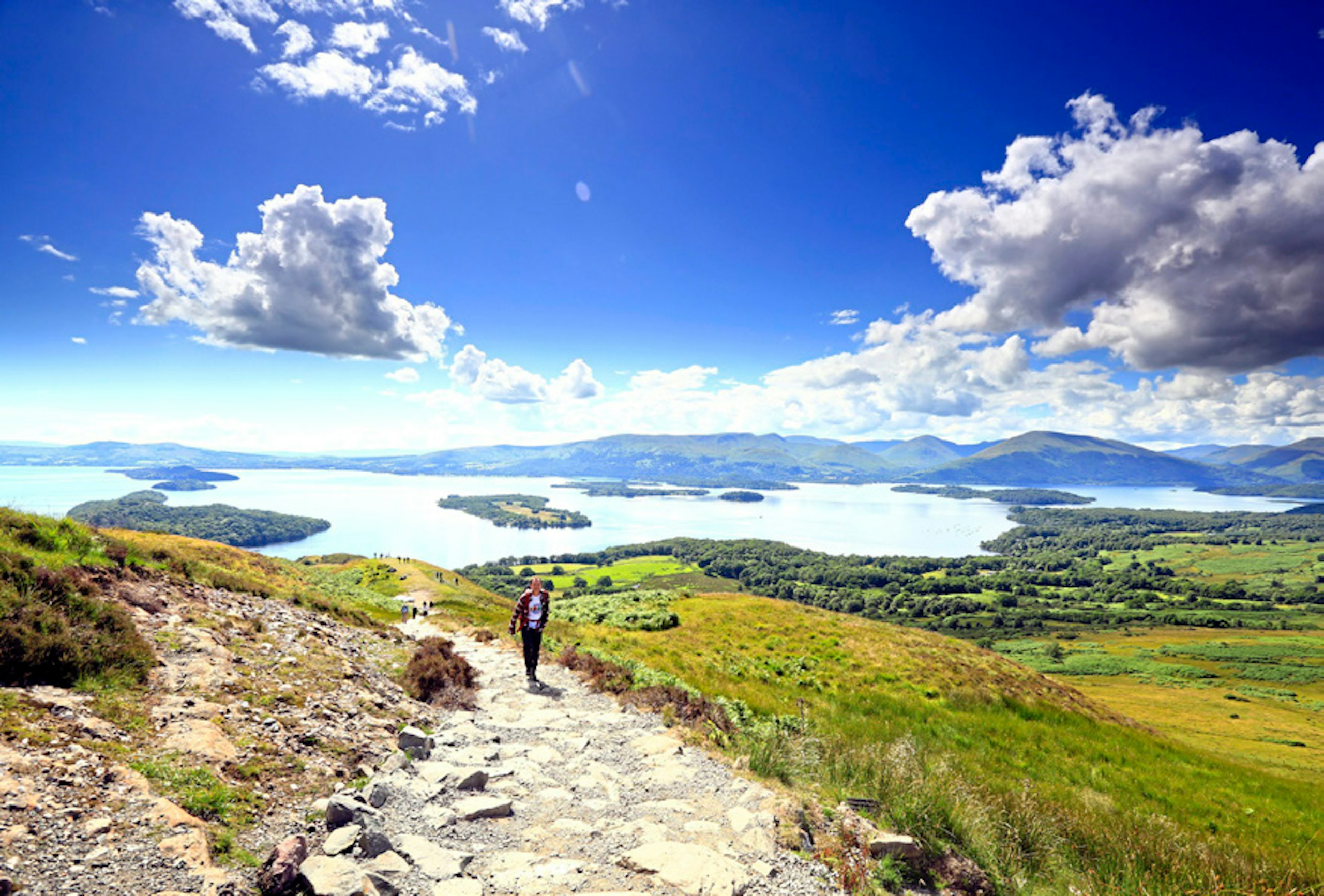
Walking 1000 miles in a year equates to just under three miles a day, or about an hour, and that’s a unit of exercise round enough to have been studied extensively. The results – from the University of Sydney; the American Cancer Society; the University of Edinburgh; the Journal of Integrative Medicine; The Stroke Association, the World Cancer Research Fund and many more – are collectively astonishing.
It cuts your risk of all cancers 20–25%, of colon cancer 40–50%; if you’ve already got the commonest forms of cancer it cuts your risk of dying in half.
It’s twice as effective as running at fighting off heart disease; it halves your risk of a coronary in your 50s and 60s and cuts your chance of stroke by a third.
It can reverse 30 years of aerobic capacity decline; repair DNA; prevent muscle wastage and brain shrinkage; boost memory and reasoning; reduce hip fractures by 50%; cut your risk of obesity in half and of developing type 2 diabetes by 60%.
And on and on it goes.
It’s as if your body yearns for precisely the goodness that walking delivers – straining like a plant reaching for the sun. And that’s precisely what it does, because it’s what our bodies have spent 1.9 million circuits of the sun evolving to do better than anything else.
From our long legs to our S-shaped spine; our arched feet and large self-lubricating joints; our locking knees and heel-first gait that’s 53% more efficient than running – we are optimised in a way that makes Formula 1 car design appear a bodge. Becoming good at walking, as a species, has led to every good thing in our lives.
But the hardware is only half the story. Something has to animate the spirit and give it a sense of place and purpose. And here again, walking excels.
A snatched lunchtime stride round the business park can leave you feeling like you’ve been entrusted with a huge happy secret. A planned adventure in the wilds imbues a sense of mission that can nourish you for months. And the more you walk, wherever you walk, the more capacity for plan-hatching, lucky encounter and simple pleasure you discover.
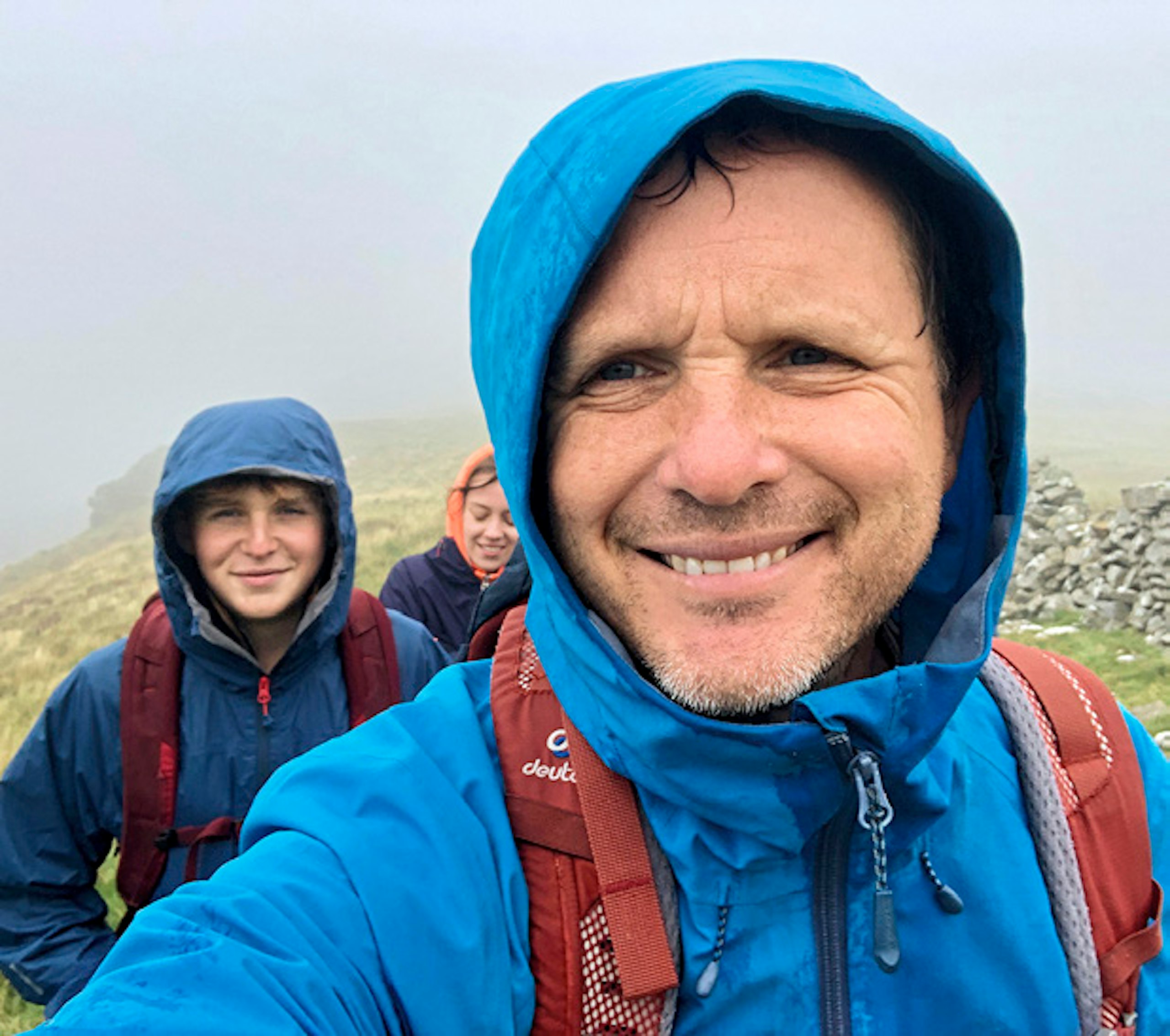
You can’t plan many of the moments in life that will stay with you forever. But you can walk out to meet them, each day renewed by the sun, the rain and the teeming scents on the breeze: the sort of person who knows that wanting what you have in life is far, far more important than having what you want.